
SERVER PLUS INSIGHTS
HPE DL325 Gen10 EPYC 7251 4LFF Available
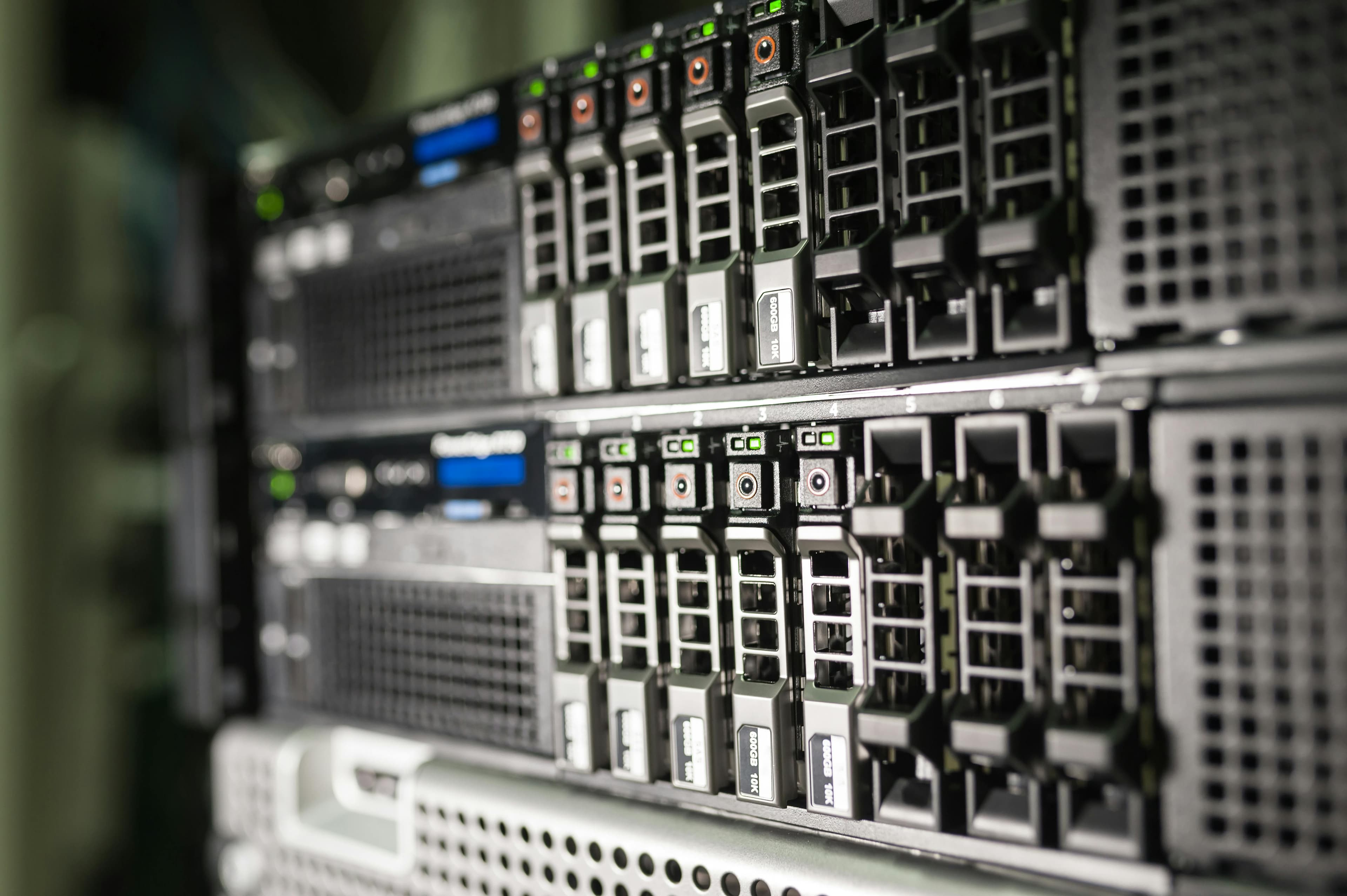
The HPE ProLiant DL325 Gen10 is a 1U single-socket AMD EPYC enterprise server. This EPYC 7251 4Bay 3.5-inch version provides an enterprise platform, large 3.5-inch drive bays, and more controllable procurement cost in limited rack space.
2026-07-17 · Server Plus
Server Plus has an HPE ProLiant DL325 Gen10 with AMD EPYC 7251 and a 4-bay 3.5-inch LFF chassis. It suits backup, file services, monitoring, and small-to-medium virtualization deployments requiring a 1U enterprise platform and high-capacity 3.5-inch drives.
Arrival Highlights
HPE standard-model information lists the DL325 Gen10 7251 1P 4LFF as a 1U single-socket AMD EPYC platform. 4LFF means four front 3.5-inch large-form-factor drive bays, suitable for capacity-oriented deployment.
AMD EPYC 7251 is an 8-core processor. Together with the DL325 Gen10 enterprise chassis, HPE iLO management, and expandable memory, it suits small and medium enterprise procurement requiring stability, manageability, and clear cost.
- HPE ProLiant DL325 Gen10 1U rack server
- AMD EPYC 7251 single-socket platform
- Four front 3.5-inch LFF drive bays
- Suitable for SATA or SAS 3.5-inch high-capacity drive planning
- Suitable for backup, file services, monitoring, and small virtualization nodes
Value of the 4Bay 3.5-inch Version
Many 1U servers use 2.5-inch drive chassis, where capacity planning can require more drives or a higher per-drive cost. The DL325 Gen10 4LFF version retains the capacity advantage of 3.5-inch drives in a 1U footprint.
For enterprise backup, file services, log retention, surveillance recording, or cold-data storage, four 3.5-inch drives provide a practical balance between cost and capacity.
- Use high-capacity 3.5-inch drives in 1U
- Control drive cost more easily than capacity-focused 2.5-inch configurations
- Save rack space compared with 2U high-drive-count servers
- Suitable for SMB capacity services and backup nodes
Suitable Use Cases
The DL325 Gen10 EPYC 7251 4LFF is not positioned for the highest core count or latest-generation performance. It is better suited to capacity-oriented, basic-service, and cost-controlled deployment.
For backup nodes, file servers, surveillance storage, small Proxmox or VMware nodes, internal-system redundancy, or short-to-medium-term project hosts, this 1U 4LFF platform has a clear role.
- Enterprise backup and off-site backup nodes
- File services, NAS-like use, and cold-data storage
- Surveillance recording, log collection, and archive data
- Small Proxmox, VMware, or Hyper-V virtualization nodes
- SMB internal systems, test environments, and spare hosts
Checks Before Procurement
Before buying a DL325 Gen10 4LFF, confirm drive caddies, RAID or HBA, NICs, memory, power supplies, and iLO status. For ZFS, TrueNAS, Unraid, or OpenMediaVault, also confirm controller mode and disk-passthrough requirements.
- Whether all four 3.5-inch drive caddies are present
- RAID card, HBA, or SATA controller mode
- Memory capacity and EPYC platform configuration support
- Whether 1G, 10G, or 25G NICs are needed
- Operating-system and storage design: RAID, ZFS, or disk passthrough
Server Plus Supply Process
Server Plus can confirm available HPE DL325 Gen10 EPYC 7251 4Bay 3.5-inch configuration, including CPU, memory, caddies, RAID or HBA, NICs, power, and management-interface status. Basic testing and preparation are completed before shipment, with warranty and delivery conditions confirmed.
If an organization is also comparing HPE DL360, DL380, Dell R640, or R740, Server Plus can compare 1U/2U, 2.5-inch/3.5-inch, capacity, performance, and budget together.
FAQ
Is the HPE DL325 Gen10 EPYC 7251 4LFF suitable for production?
It suits defined production workloads such as backup, file services, internal systems, and small virtualization nodes. Confirm workload, drive configuration, warranty, and maintenance strategy before procurement.
How should I choose between 4Bay 3.5-inch and 8SFF or 10SFF?
4Bay 3.5-inch emphasizes capacity and drive cost; 8SFF or 10SFF emphasizes more 2.5-inch drives, SSDs, and IOPS. For high-capacity backup or file services, 4LFF is usually more suitable.
Is this server suitable for TrueNAS or Unraid?
It can be evaluated around RAID/HBA and disk-passthrough requirements. For ZFS or NAS systems, confirm controller mode, drive configuration, and memory capacity first.